


19 March 2020
It is very likely that the current pandemic will increase the risk of plant and machinery breakdown claims worldwide, which could in turn lead to further Business Interruption (BI) exposure, and even Delay to Start-Up (DSU) claims.
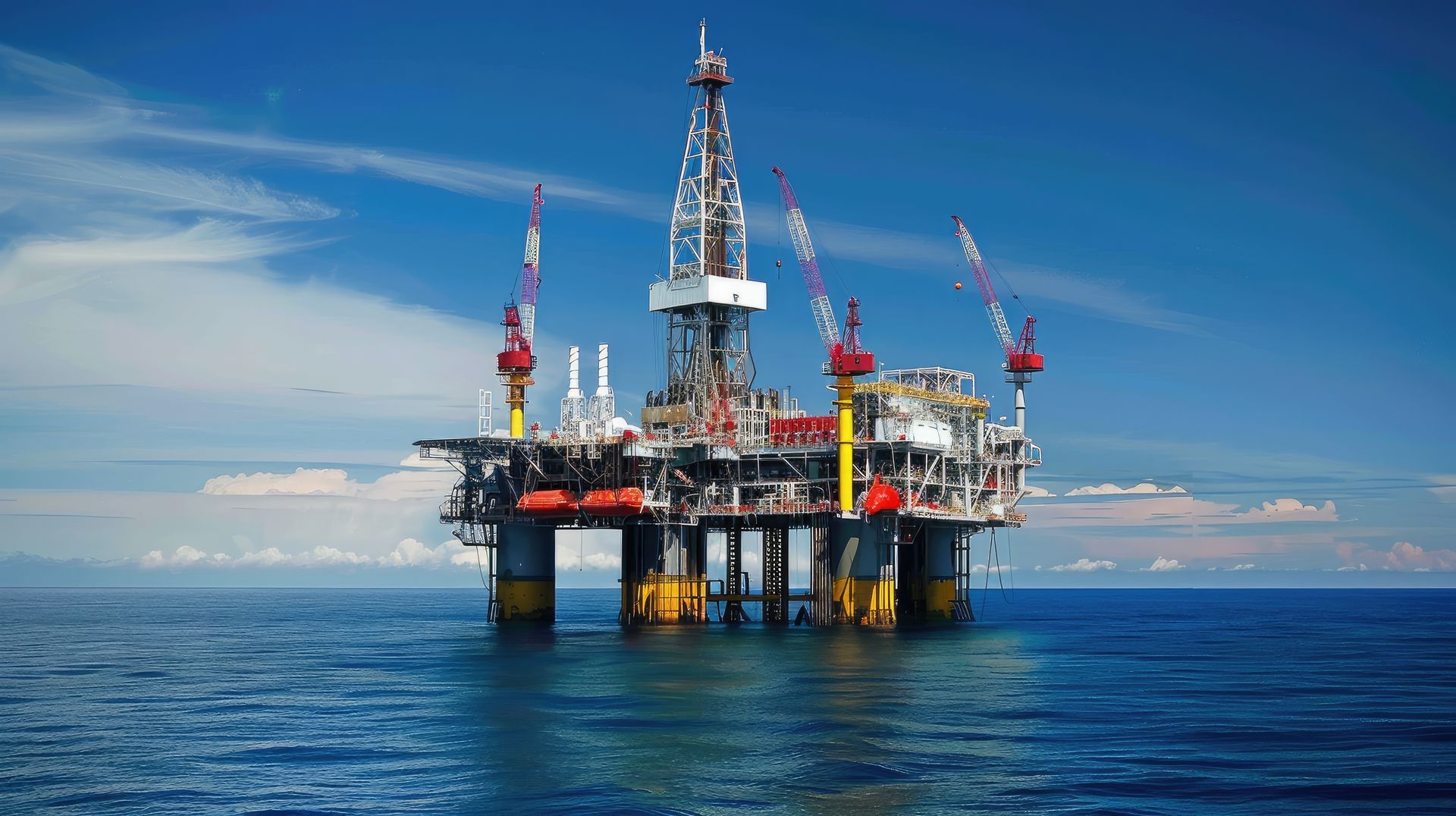
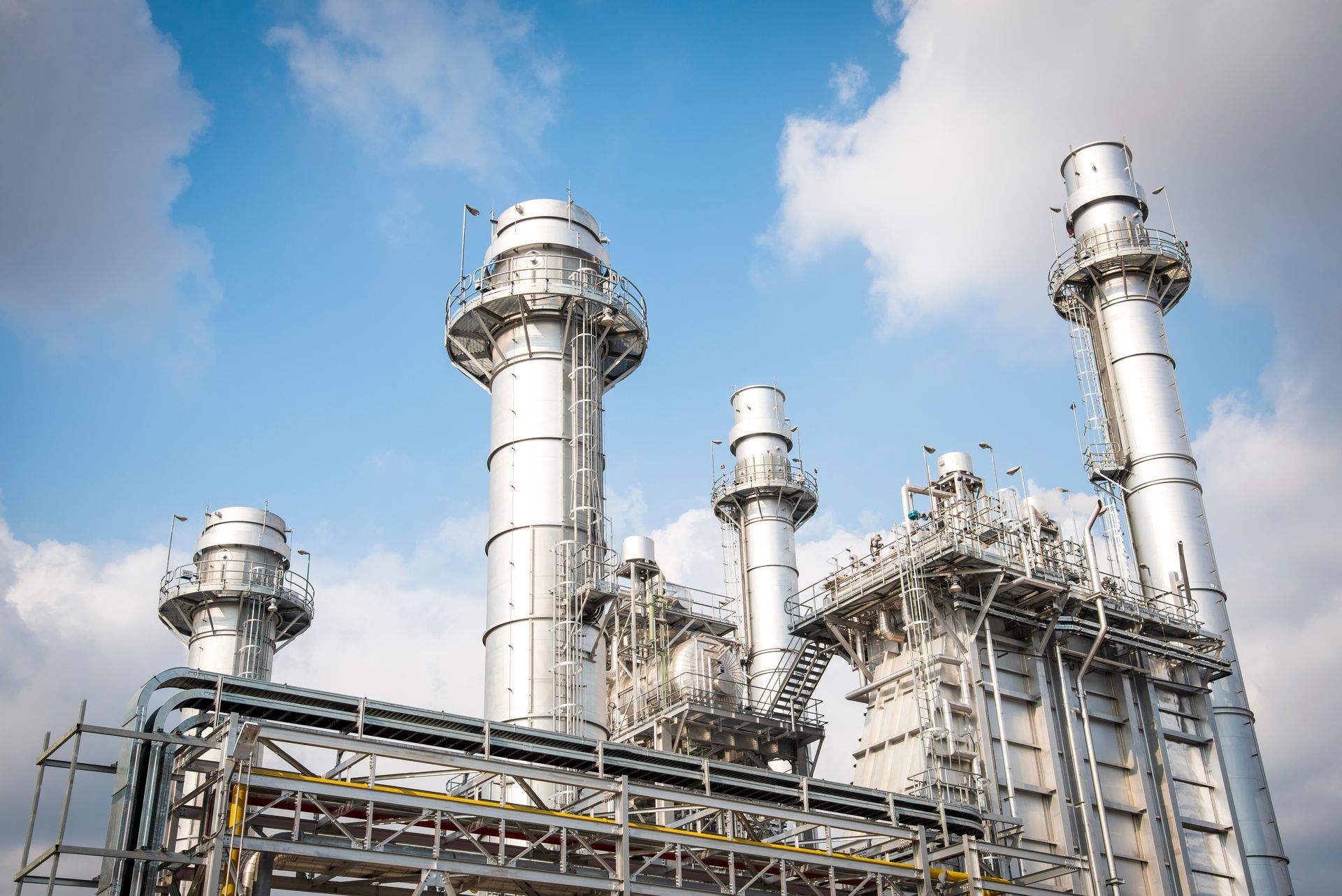
In the current climate, although many people may not want to accept it, the risk on those critical equipment in sites such as power plants, refineries, large manufacturing sites, and even on the offshore industry could be hampered by the inability of some maintenance staff to attend to site, to fulfil planned major overhauls, to receive adequate support from OEMs, and to take quick actions to repair key equipment.
This takes me back to the article I wrote in 2017 regarding the Industrial Internet of Things (IIoT)
, and how critical it is: linkedin.com/pulse/industrial-internet-things-iiot-daniel-a-correa-ceng
We have read many times that by harnessing the IIoT, companies can digitalise their asset integrity management processes. This applies both for onshore and offshore industries, where operators must manage a wide variety of equipment types ─ both fixed and rotating ─ across many remote sites.
It is true that many companies are not up to date. Instead, they rely on old technology to manage assets (including physical labour presence), placing safety and integrity at risk. Only cash-rich companies have had the ability to embrace digitalisation and modernise their plants. For instance, we have been involved in insurance claims where large steam generators have been running since WWII. Still, it is possible to “modernise” this equipment by connecting its different critical components to a central hub and be able to monitor key parameters such as temperature, vibration and speed. This is not just a SCADA system, it is an individual asset monitoring process for each critical component that reconciles all this data into one system, be it monitored remotely by OEMs or Plant operators.
This and only this will enable operators to collect data over time and be able to generate machine-based algorithms for Big Data Analytics
. Only then, fit-for-purpose predictive analytics can be properly utilised, as each Plant is different. Believe me, estimating the life expectancy of a piece of equipment by simply looking at it is not an easy task!. For instance, machine learning applications such as TensorFlow can be utilised, providing results with the input of neural networks, and predict plant failures well before catastrophic events occur; it is as complex (or simple) as this:
As noted above, on the left we have the ‘known’ data on the ‘X’ and ‘Y’ axis, and on the right we have the outcome that we are trying to predict. For example, in trying to predict if a machine is going to breakdown, the X is the temperature of the machine, and the Y the speed on which the machine rotates. The results are orange
= machine will break, or blue
= machine will not break at a given temperature and speed. This is a simple example, but many more parameters could be modelled in order to help predict the likelihood of a machine breaking down.
Technology advance can also make a superb difference in production capability, profitability, and optimised inspection and maintenance scheduling. It is definitely possible to gather actionable intelligence from asset data at all times (even during pandemic lock-down periods) – which improves the decision making process.
This, especially in difficult times as the ones we are living during these pandemic months, can significantly reduce unplanned shutdowns and inspection costs, while paving the way for machine learning and artificial intelligence (AI) as highlighted by Plant Engineering
.
It is in these times when we cannot afford key industries to fail, leaving us without power, water, and telecoms. It is clear from various legal articles that insurance claims coverage may be tricky these days, due to known exclusions, however, in my opinion, care should be taken when plants are left unmanned and OEM support is not fully available, and a direct link between the pandemic and the lack of asset integrity can lead to substantial losses worldwide.
At DAC Consulting
we have the ability to support our clients and investigations remotely, with cases and representatives in every continent in the world (who can also do short distance travel to different critical sites), and with fantastic ‘smart working systems’ that allow us to maximise our forensic capabilities.
Lastly, we are offering our clients in the insurance industry reduced rates, in order to ‘chip in’ to the global recovery efforts.
CEng, MIET, MIMechE, MPD, ACIArb
The post COVID-19 and Plant/Machinery Claims. Partial Solution => IIoT
appeared first on DAC Consulting.
Written By: Daniel Correa
LinkedIn: DAC Consulting Services
Daniel Correa is the Managing Director of DAC Consulting Services worldwide. Daniel is a Mechanical Engineer by profession, and holds a Master of Science in Project Management from the University of Manchester. Daniel has also completed a Senior Management Programme at the University of Cambridge, Judge Business School.

Today we celebrate 10 years of DAC Consulting Services and what a journey it has been.

Strengthening DAC’s Next Chapter: Welcoming Luis Guillermo Salazar as Fractional CTO By Daniel A. Correa, Managing Director

From Project Delivery to Dispute Resolution: Why Practical Experience Matters

UAE’s Strategic Shift Away from OPEC: Implications for Energy Markets, Risk and Disputes

Cost Overruns in Miami Construction Projects: Why Budgets Are Exceeded and How Claims Are Evaluated

Engineering Failures in Miami Construction Projects: Causes, Investigation Methods, and Legal Implications

What Causes Construction Disputes in Miami? Key Issues in South Florida Projects and How They Are Resolved
Why Do Construction Projects Get Delayed in Miami? Common Causes and How Delay Claims Are Assessed

DAC Consulting Services Welcomes Kristel Anne Nudo as Executive Assistant – Operations
DAC Consulting Services at Cyprus Arbitration Day 2026