


13 October 2025
by Reinaldo Scannone
Managing Engineering Experts in Latin America: Challenges and Opportunities
In arbitration and dispute resolution, the role of the engineering expert is critical. They provide clarity where projects, contracts, and technical issues become complex. Managing experts in Latin America brings particular challenges, but also important opportunities for those of us working in the region.

The market in a nutshell
Latin America is not one market, it is a collection of countries, each with its own standards, codes, and practices. Brazilian NBR (Normas Brasileiras Regulamentadoras), Colombian NSR (Norma Sismo-Resistente de Colombia), Peru RNE (Reglamento Nacional de Edificaciones) and Mexican NOMs (Normas Oficiales Mexicanas) all differ, while many major projects are governed by FIDIC or EPC contracts financed by multilaterals such as the IDB or World Bank.
In Central America, most countries rely heavily on international standards such as ACI, AISC, or ASCE, often adopting them directly into their construction regulations. Panama has its Reglamento Estructural Panameño (REP-2014), while Costa Rica is known for its Código Sísmico, one of the most advanced in the region. In practice, experts must often reconcile local adaptations with U.S. or international codes when disputes arise Depending on the size and scope of the project, contracts often include dispute resolution processes under institutions such as the ICC, CIADI (ICSID), or LCIA. Each of these frameworks comes with its own requirements, procedures, and expectations for experts:
- ICC (International Chamber of Commerce): Common in construction and energy disputes, often requiring detailed expert reports and joint expert meetings.
- CIADI (ICSID): Frequent in investor–State disputes, where experts present evidence in cases involving government contracts, concessions, or expropriations.
- LCIA (London Court of International Arbitration): Brings its own procedural rigor and expectations for independence and clarity.
For experts, this means adapting their reports and testimony not only to the technical complexity of the case, but also to the procedural framework of the arbitration.
What are the Challenges?
1. Availability of experts
There are excellent engineers in the region, but few with experience as independent experts. Many are highly qualified but have not been exposed to cross-examination or forensic report writing.
2. Conflicts of interest
In specialized areas (pipelines, hydropower, renewables), professional circles are small. It is common to discover that a candidate has already worked for one of the parties or even on the project.
3. Budgets
Clients expect international quality but within Latin American fee structures. This creates tension when international experts are required.
4. Documentation and logistics
Project records are often incomplete, and site visits may involve remote locations such as the Amazon, the Andes, or offshore installations.
From experience, practical approaches are:
- Hybrid teams:
Combine an international expert with a local engineer. This brings both credibility before the tribunal and familiarity with local conditions.
- Training and preparation: Local engineers benefit from coaching on independence, report drafting, and hearings, which improve the overall quality of the team.
- Expert management:
An expert supported by someone who regularly manages experts across cases and regions performs better. They understand the process, are better prepared for cross-examination, and deliver reports that align with both international standards and tribunal expectations.
- Adaptation: Reports must be technically sound, legally clear, and linguistically precise for both international and local audiences.
- Understandable Writing: Reports are for the reader who is not an Engineer, a report should not be a challenge to understand but convey a complex matter in the simplest way possible, such that a 10-year-old can understand.
- Independence:
Reinforcing impartiality is critical in jurisdictions where experts are sometimes seen as advocates for one side.
Why is the demand for engineering experts in Latin America growing?
- Infrastructure expansion: Metro systems, renewable energy, ports, and pipelines all require expert input
- Regional arbitration hubs: Lima, São Paulo, Mexico City, Santiago, and Bogotá are becoming recognized centers for disputes.
- Export of expertise: Experts from the region are increasingly being engaged in international arbitrations, particularly in Spanish-speaking disputes.
References
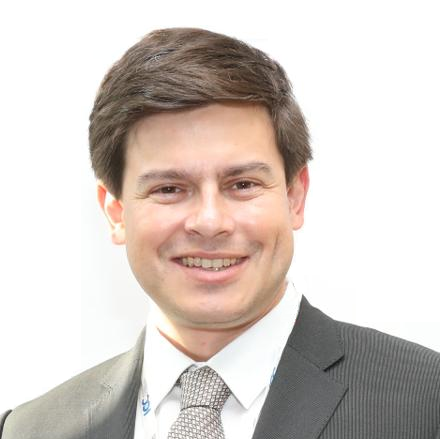
Written by: Reinaldo Scannone
LinkedIn: Reinaldo Scannone
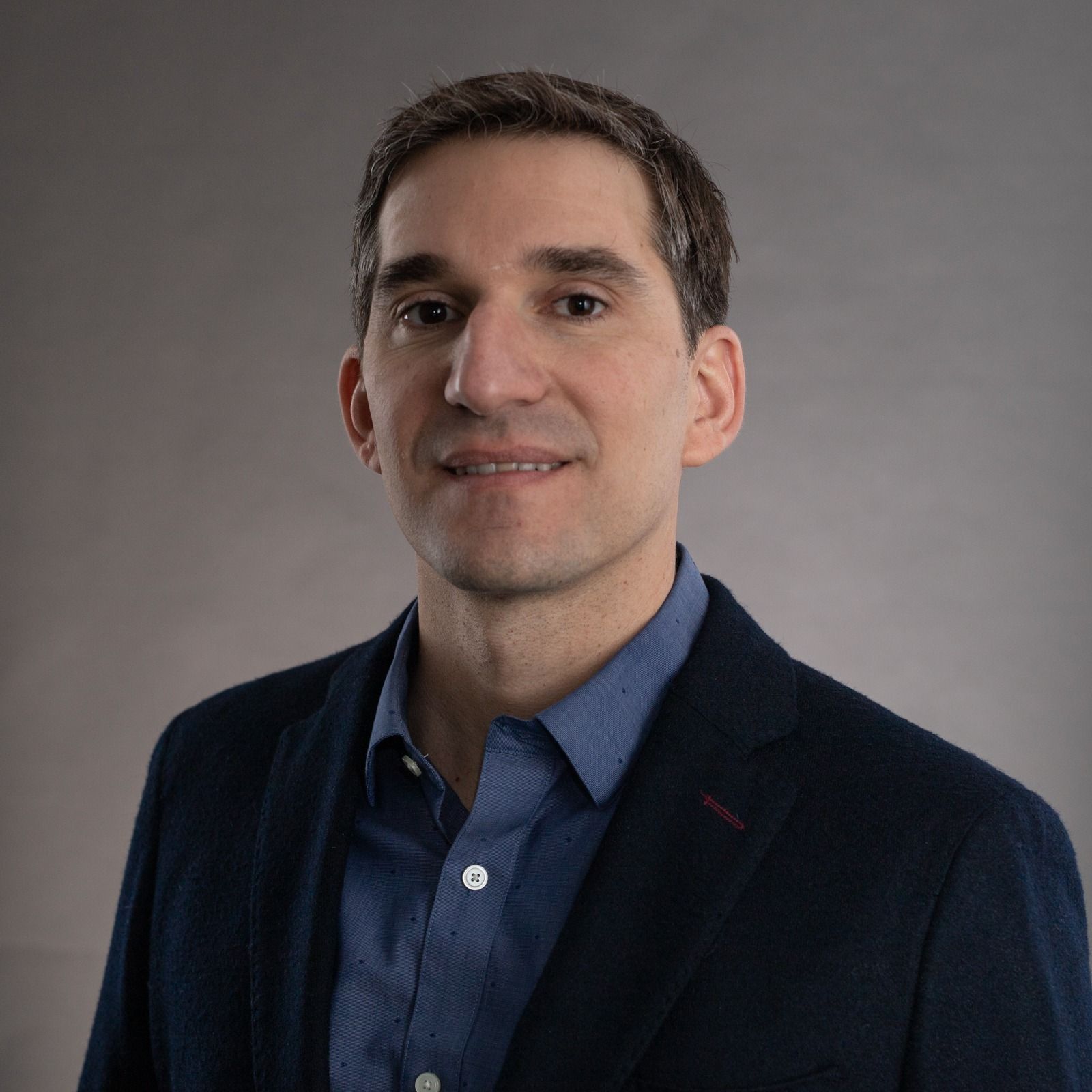
Reinaldo is the Manager of our Dispute Advisory Services, based in North America.
Reinaldo has over 10 years of experience in Projects and Compliance managing large groups of engineers in the development of different products from conception to delivery. Following 5 years of developing international products joined as a Senior Associate to investigative work on behalf of DAC Consulting, covering mainly large construction projects in LATAM and the EMEA region.
Reinaldo has supported technical expert witnesses investigative work in 30+ major claim investigations and Root cause analysis for 15+ insurance claims since joining DAC.
Come work with Us!
If you cannot carry out new cases in your current firms due to conflicts of interest, come work with us!
- Modern case management platforms
- Unrivalled team and admin support
- Clear and concise quality management systems
- Exceptional reputation
- Capacity to GROW
- Remote working
DAC is the future of working as an Expert Witness.

DAC Consulting Services Limited
85 Gresham Street
London
EC2V 7NQ